The Meal That Comes Back to Haunt You
Knowing foods to avoid for acid reflux can significantly reduce symptoms. It usually starts after dinner. Or maybe it’s that second cup of coffee in the morning. Or the glass of wine you had with a meal that, at the time, felt completely reasonable. Then the burn starts — that slow, uncomfortable heat rising up through the chest, the bitter taste at the back of the throat, the way it makes you reluctant to lie down because lying down will only make it worse.
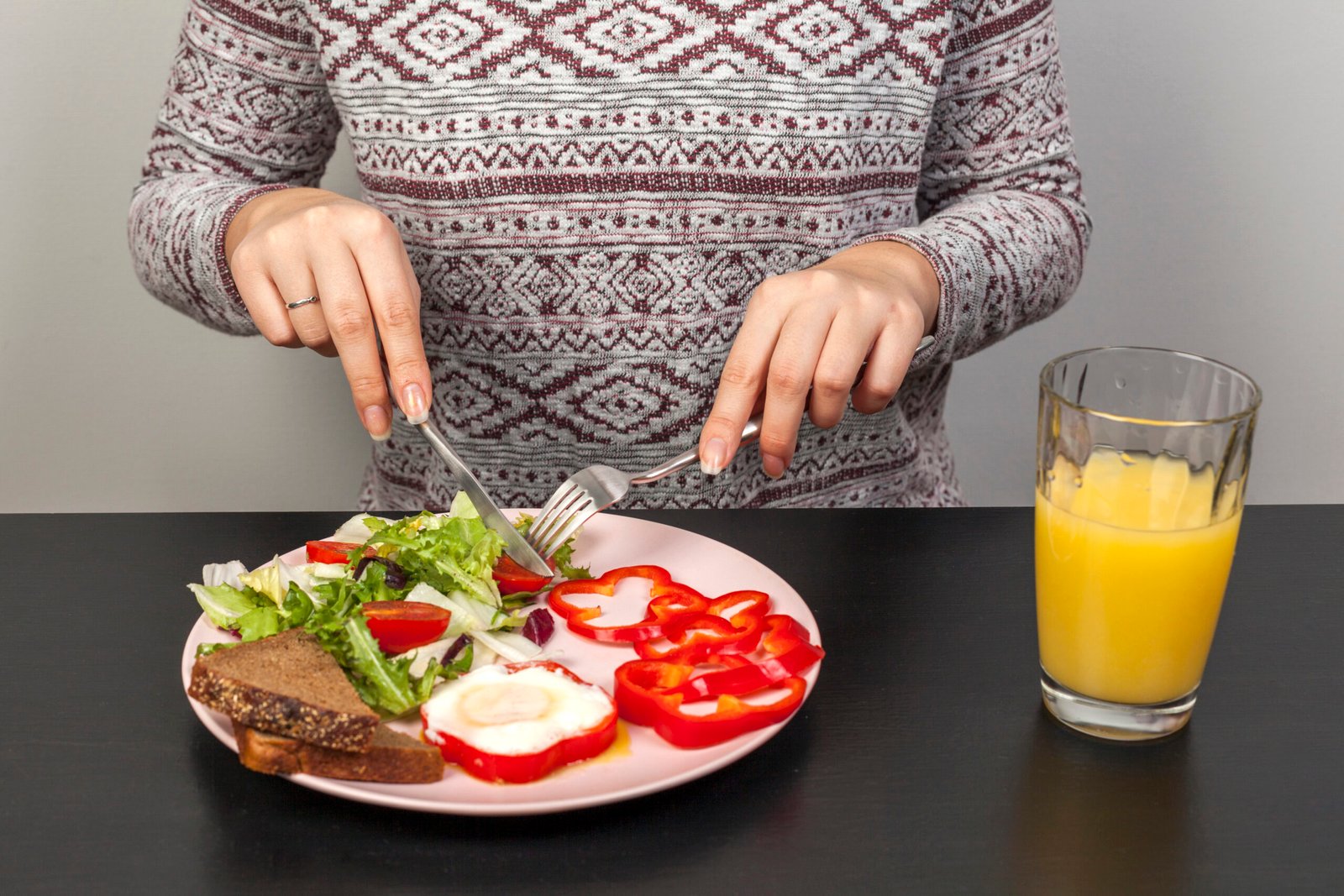
For anyone dealing with acid reflux regularly, food isn’t always just food. It’s a calculation. Some things you eat and wait. Some things you’ve learned, the hard way, to avoid entirely. Knowing foods to avoid for acid refluxdoesn’t cure the condition, but it removes a significant portion of the triggers — and that changes the day-to-day experience considerably .This is why understanding foods to avoid for acid reflux becomes important for long-term relief.
Foods to avoid for acid reflux include chocolate, caffeine, alcohol, citrus fruits, tomatoes, and fatty foods. These either relax the lower esophageal sphincter or increase acid production, leading to heartburn and GERD symptoms.
Why Certain Foods Make Acid Reflux Worse
To understand foods to avoid for acid reflux, it’s important to know how different foods affect digestion. The lower esophageal sphincter is the muscle that separates the esophagus from the stomach. When it relaxes when it shouldn’t, stomach acid flows backward into the esophagus. Certain foods directly trigger this relaxation. Others increase the amount of acid the stomach produces. This is exactly why identifying foods to avoid for acid reflux is essential. Others slow gastric emptying, meaning food and acid stay in the stomach longer and have more opportunity to reflux. And some are acidic themselves, irritating an already inflamed esophagus on contact.
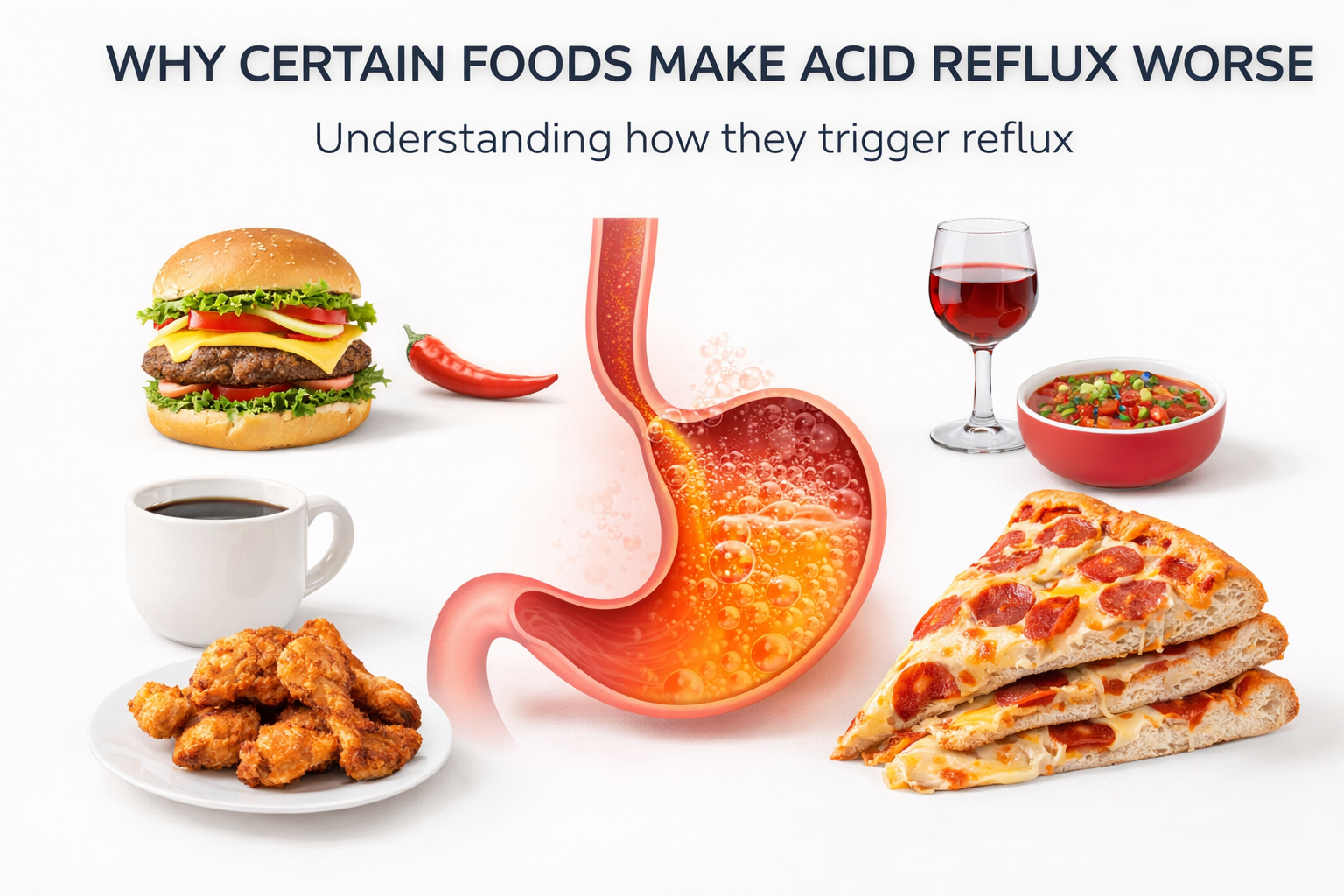
Understanding which mechanism applies to which food matters for the acid reflux diet — because the fix for ‘this food relaxes my sphincter’ is different from ‘this food just irritates the esophagus it touches.’ In some cases, persistent symptoms may require further evaluation — understanding endoscopy vs colonoscopy and their uses can help.
The Foods That Relax the Lower Esophageal Sphincter
These are some of the main foods to avoid for acid reflux because they weaken the sphincter. These are the foods where the mechanism is sphincter relaxation — they literally make the valve between your stomach and esophagus less effective.
- Chocolate — contains methylxanthines which relax smooth muscle; also high in fat and mildly acidic. A triple problem for reflux
- Peppermint and spearmint — widely known to relax the lower esophageal sphincter; peppermint tea is often suggested as a digestive aid but for reflux sufferers it frequently makes things worse
- Alcohol — particularly wine and beer; relaxes the sphincter, increases acid production, and impairs esophageal clearance of acid. All three simultaneously
- Caffeine — coffee, tea, energy drinks, cola. Relaxes the sphincter and stimulates acid secretion; decaf coffee still causes reflux in many people due to other compounds
- High-fat foods — fatty meats, fried foods, full-fat dairy. Fat slows gastric emptying, which keeps acid in the stomach longer and increases reflux pressure. Also triggers cholecystokinin release, which relaxes the sphincter
GERD Foods That Directly Irritate the Esophagus
Some GERD foods don’t necessarily increase acid but cause symptoms because they’re acidic themselves — they make an irritated esophageal lining more sensitive. Making them important foods to avoid for acid reflux.
- Citrus fruits and juice — oranges, lemons, grapefruits, limes. Acidic pH directly contacts and irritates the esophageal lining, especially if there’s already inflammation
- Tomatoes and tomato-based products — tomato sauce, ketchup, pizza sauce. Highly acidic; one of the most consistent triggers across multiple studies
- Carbonated drinks — the bubbles increase stomach distension, which raises pressure and pushes acid upward; many sodas are also highly acidic on top of that
- Vinegar-based foods — pickles, vinaigrettes, certain condiments
Heartburn Food Triggers in Everyday Eating
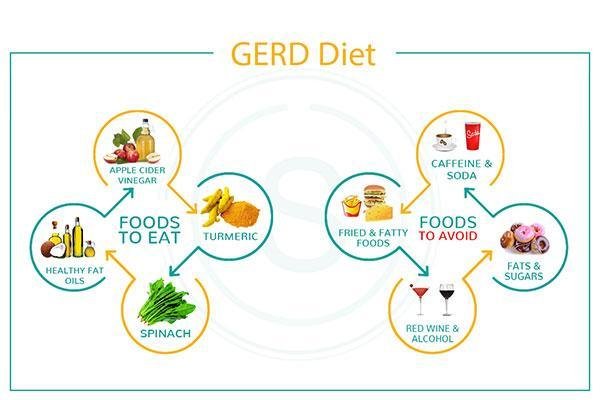
Many everyday foods to avoid for acid reflux are often overlooked. Beyond the classic categories, certain heartburn food triggers show up regularly in daily eating and are easy to underestimate: Digestive sensitivity varies from person to person — you can also explore the best diet for IBS and foods to avoid for better gut health.
- Garlic and onions — consistently reported as reflux triggers in patient surveys; believed to contribute to sphincter relaxation and increased belching
- Spicy foods — chili, hot sauce, black pepper in large amounts. Don’t increase acid production directly but irritate an inflamed esophageal lining; can cause intense symptoms in people with existing esophagitis
- Processed and fast food — typically high in fat, salt, and refined carbohydrates; slows gastric emptying significantly
- Large portions — meal volume matters independently of food type; distension of the stomach from overeating increases reflux pressure regardless of what’s on the plate
- Late-night eating — lying down within two to three hours of a meal is one of the most reliable reflux triggers; gravity is doing useful work when you’re upright, less so when you’re horizontal
Building an Actual Acid Reflux Diet — What to Eat Instead
The acid reflux diet conversation tends to focus heavily on what to cut out. But knowing what to build toward is equally important, because restriction without replacement isn’t sustainable.
Foods that are generally well-tolerated in reflux:
- Oatmeal and whole grains — absorbent, filling, low acid; oats in particular are soothing to the GI tract
- Lean proteins — chicken breast, turkey, fish, egg whites; low fat, easily digested
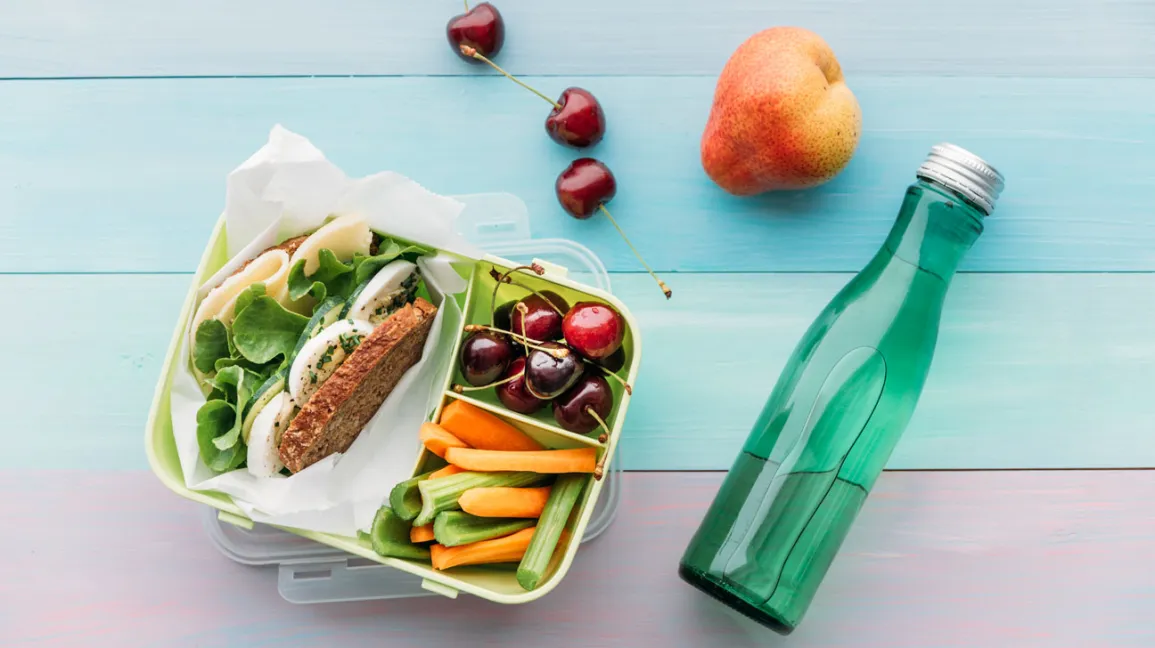
- Non-citrus fruits — bananas, melons, pears, apples (without skin for some people), berries in moderation
- Vegetables — most vegetables are low-acid and well-tolerated; exceptions are tomatoes, garlic, and onions. Cooked vegetables are generally easier than raw
- Ginger — has genuine anti-nausea and anti-inflammatory properties; ginger tea (not peppermint) is a reasonable digestive aid for reflux
- Root vegetables — potatoes, sweet potatoes, carrots; filling, low acid, easily digested
- Herbal teas — chamomile, licorice root tea, marshmallow root; soothing without the caffeine trigger
The Eating Habits That Matter as Much as the Food List
Knowing which foods to avoid for acid reflux is half the picture. The other half is eating behavior.
- Smaller, more frequent meals — large stomach volumes create pressure; splitting meals into smaller amounts reduces this
- Eating slowly — less air swallowed, less gastric distension, better digestion
- Staying upright for two to three hours after eating — gravity keeps acid down; even a recliner is better than lying fully flat
- Not drinking large amounts with meals — excessive liquid at mealtime dilutes digestive enzymes and increases stomach volume; small sips are fine
- Wearing loose clothing — this sounds trivial but tight waistbands create external pressure on the stomach and genuinely worsen reflux in some people
Individual Variation — Why the Same Food Hits Differently
The GERD foods trigger list is a population-level observation, not a guaranteed individual prescription. Some people with chronic reflux eat tomatoes and chocolate daily without consequence. Others react badly to things that aren’t on any standard trigger list — certain spices, particular oils, fermented foods.
A food diary remains one of the most genuinely useful tools for identifying personal triggers. Tracking what you ate, when you ate it, and when symptoms appeared — even just for two or three weeks — reveals patterns that a generic food list can’t capture. Many people discover that their reflux is highly time-dependent (late eating is the main issue) rather than food-type-dependent, or that the real trigger is a combination (fatty food plus alcohol plus lying down) rather than any single item.
Conclusion
Managing foods to avoid for acid reflux is one of the most actionable things a reflux sufferer can do. The high-fat foods, caffeine, alcohol, chocolate, citrus, tomatoes, peppermint, and carbonated drinks that consistently appear at the top of trigger lists do so for mechanistic reasons — they either relax the sphincter, increase acid production, slow gastric emptying, or directly irritate an already sensitive esophagus.
But the acid reflux diet isn’t just a list of subtractions. It’s an approach to food that accounts for what you eat, how much you eat at once, when you eat it, and what you do afterward. All of that, put together, moves the needle more than any single food change could on its own. following the right foods to avoid for acid reflux can significantly improve your quality of life. For long-term digestive health, timely screening is also important — learn why colonoscopy after age 45 is recommended.
Frequently Asked Questions
- What are the worst foods to eat if you have acid reflux?
The most consistent triggers are fatty and fried foods, chocolate, caffeine (coffee, tea, cola), alcohol, peppermint, citrus fruits and juice, tomatoes and tomato products, and carbonated drinks. These either relax the lower esophageal sphincter, increase acid production, or directly irritate the esophageal lining.
- Is coffee the main cause of acid reflux?
Coffee is a significant contributor for many people — it relaxes the lower esophageal sphincter and stimulates acid secretion. However, it’s rarely the sole cause. Switching to decaf reduces symptoms for some but not all people, since other compounds in coffee beyond caffeine are also implicated.
- Can I eat spicy food if I have GERD?
It depends on the individual and the state of the esophagus. Spicy food doesn’t directly increase acid production but does irritate an inflamed esophageal lining. If there’s active esophagitis or symptoms are frequent, reducing spicy food is sensible. Some people with well-managed GERD tolerate moderate spice without issue.
- Is milk good for acid reflux?
Milk provides temporary relief because it temporarily buffers acid — but this effect is short-lived. Full-fat milk slows gastric emptying and its fat content can worsen reflux over the following hours. Low-fat or skim milk is a better option if you want dairy, but it’s not a treatment or reliable remedy.
- How quickly do foods trigger acid reflux?
Symptoms typically appear within 30 minutes to two hours of eating a trigger food, though it can vary. Foods that relax the sphincter tend to trigger symptoms faster than foods that slow gastric emptying (where symptoms may peak two to three hours after eating). Late-night eating often causes symptoms that wake people up at 2 to 4am.